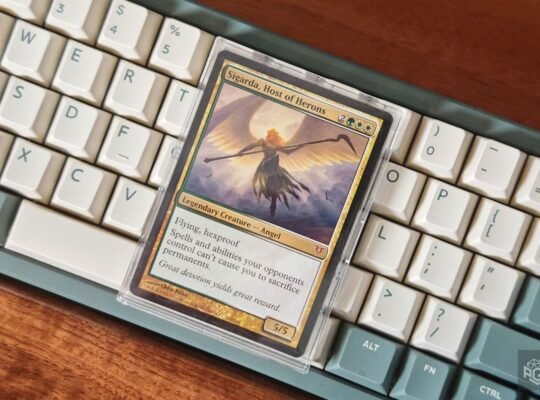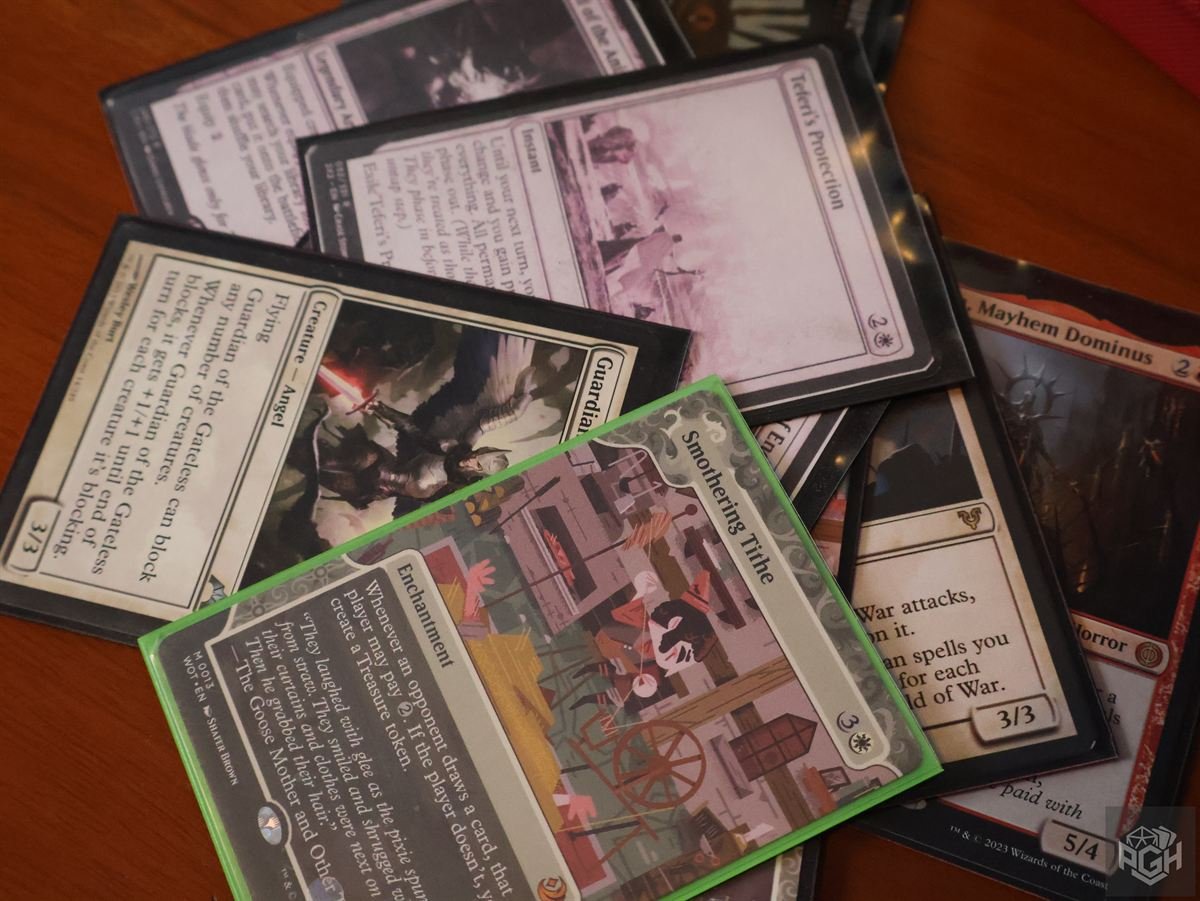
In the vibrant world of Magic: The Gathering, especially in the Commander format, powerful cards can transform a deck’s potential dramatically. Yet, not every player can afford some cards like Game Changers, due to soaring prices driven by numerous factors. Thankfully, proxies are a thing.
The High-Cost Barrier
Expensive cards pose a real challenge for many enthusiasts. Sets like Final Fantasy have exploded in demand, drawing buyers beyond the MTG community and inflating values further. Scalpers exacerbate this by hoarding supply, making singles prohibitively costly. While digital tools exist for playtesting, I, for one, think nothing beats face-to-face games with opponents to truly gauge a deck’s viability.
Proxies as the Practical Solution
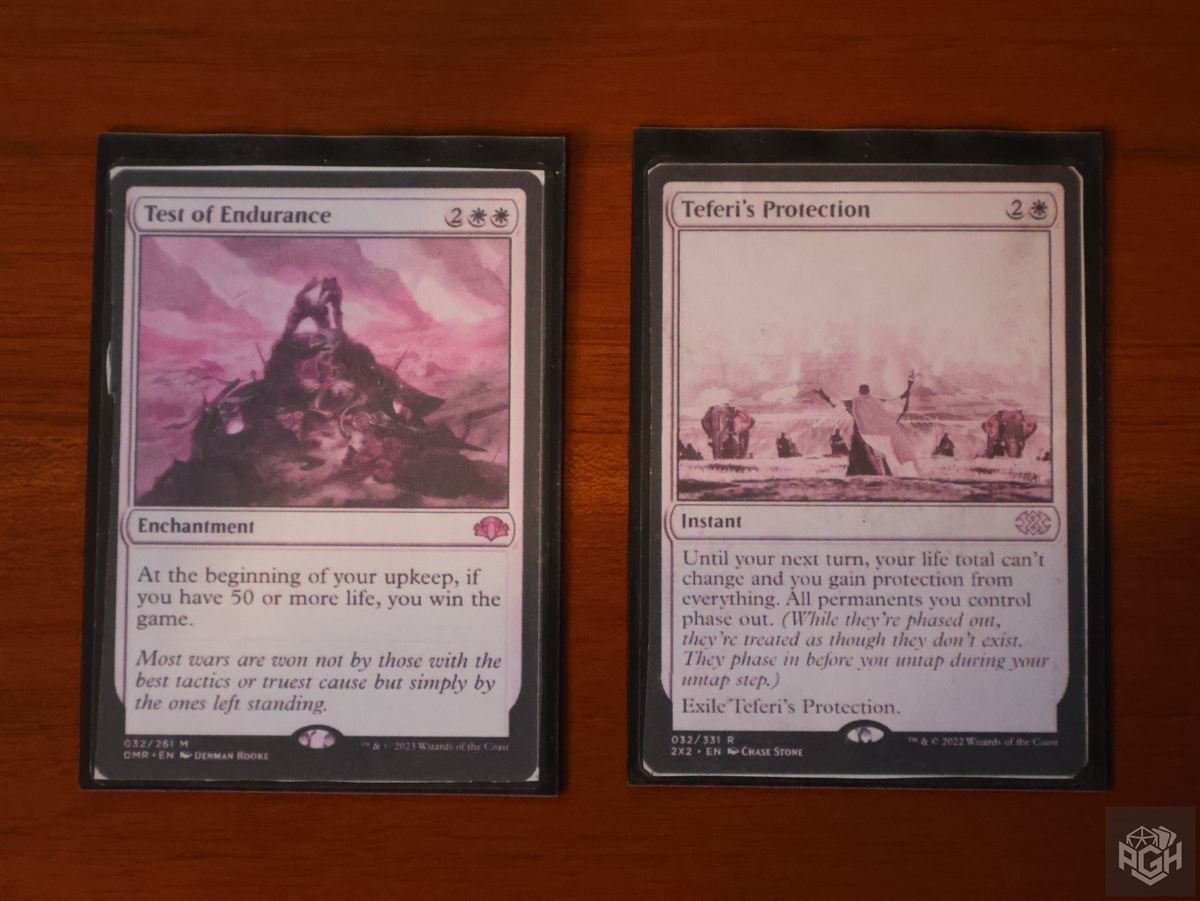
Enter proxies—stand-in cards replicating real MTG ones, primarily for casual playtesting rather than sanctioned events. These are typically marked for easy identification from authentic cards. Quality spans a wide spectrum: basic prints offer readable but less crisp artwork, while premium versions rival or surpass originals in look and feel.
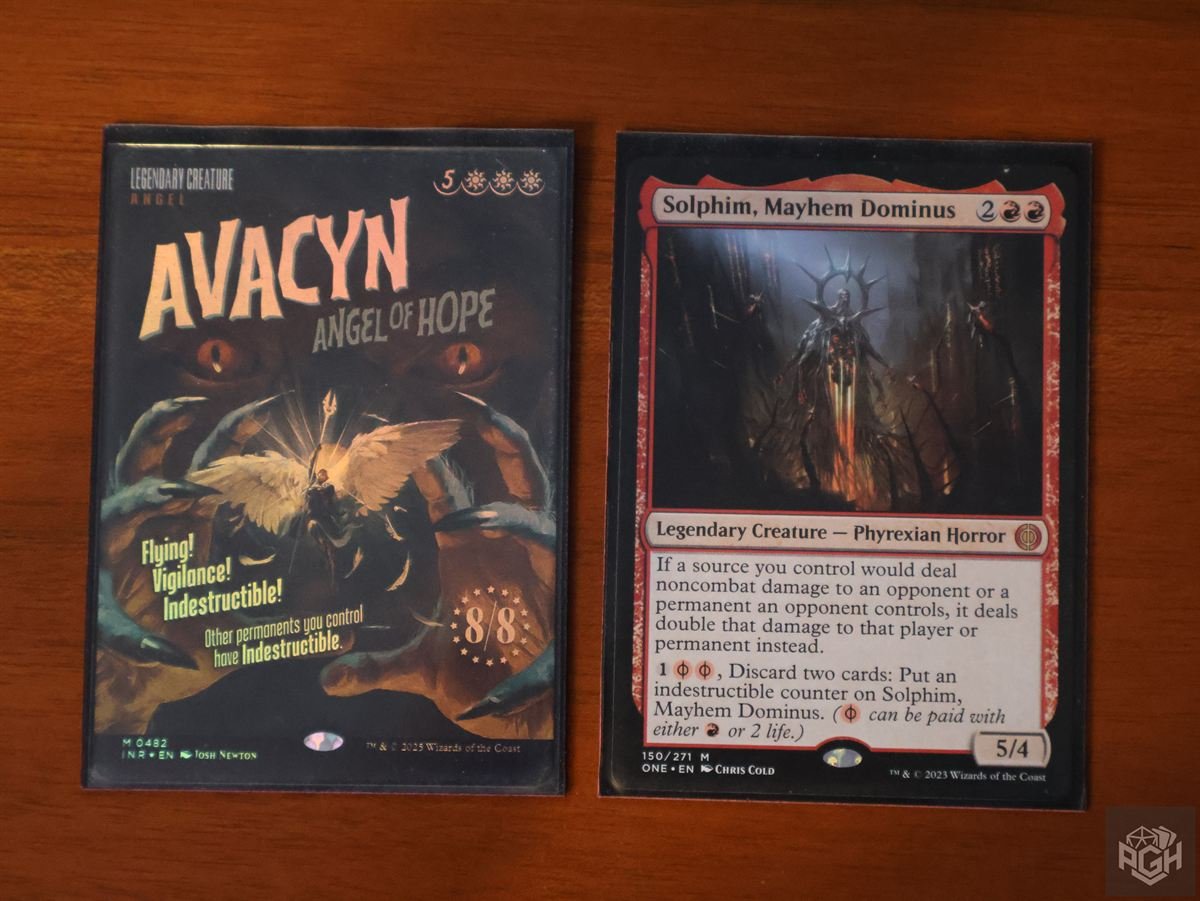
Affordability stands out as proxies’ biggest draw, costing a fraction of genuine cards. Local experiences show decent proxies at around PHP 20 each, with high-end ones reaching PHP 200—still far cheaper than market rates. Even simple DIY methods, like monochrome prints sleeved over spare backs, suffice for testing.
Arguments Against Proxies
Critics argue proxies undermine fairness. Players can access any card without investment, potentially devaluing the effort of those who purchased originals with hard-earned money. Wizards of the Coast misses out on potential pack sales, hurting the game’s economic ecosystem. Some reject proxies outright, even casually, preferring authenticity in every match.
The Case for Proxies
On the flip side, proxies democratize access, welcoming players sidelined by costs. They enable risk-free experimentation; buy a pricey card only after confirming its fit in your Commander build. Ultimately, they shift focus to skill over spending—powerful cards falter without savvy play.
My Perspective
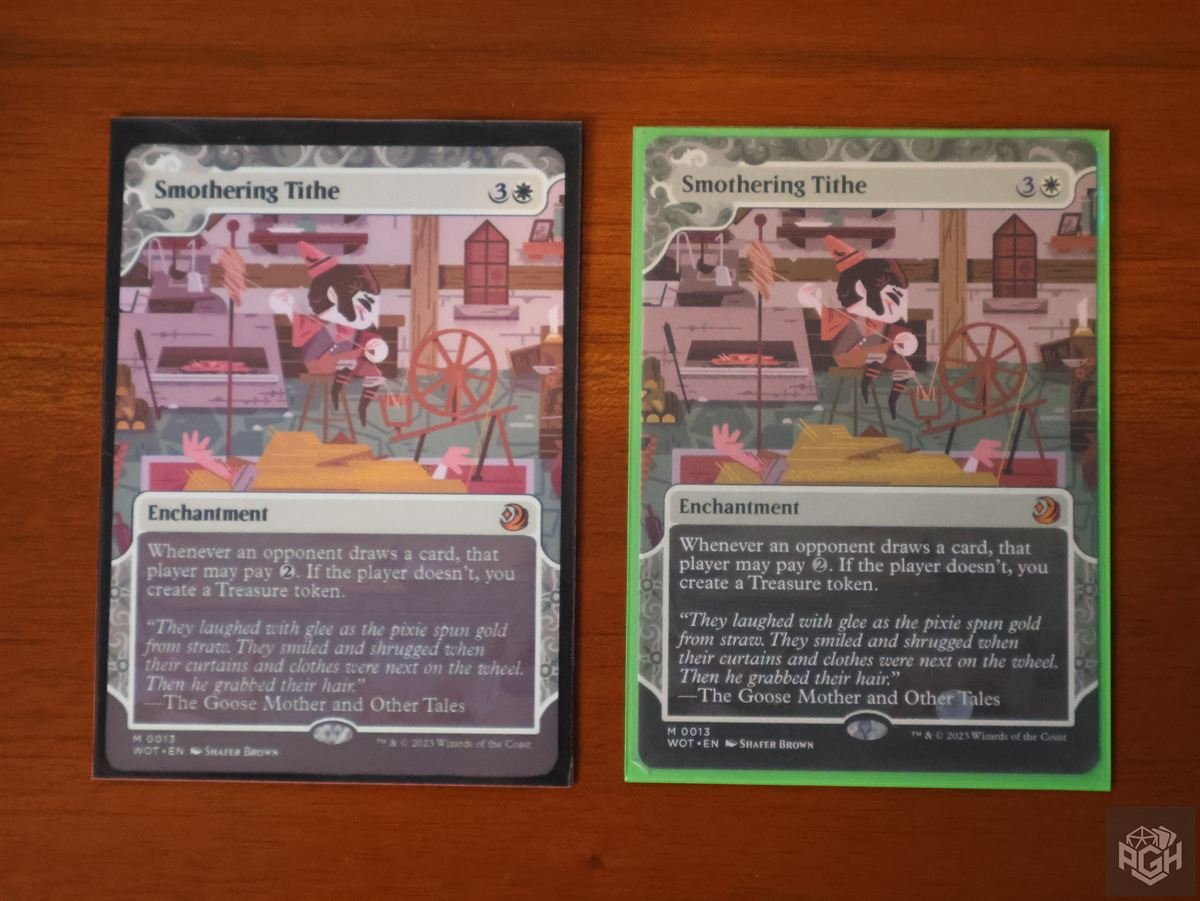
While formats evolve, MTG’s spirit remains fun and strategy. Communication is key: gauge your playgroup’s stance before sleeving proxies. My weekend pod embraces them, as they recognize varied financial realities—not everyone affords full decks of premium singles.
I welcome opponents’ proxies because I favor skill battles over wallet wars. I use printouts myself to prove that functionality trumps flash. Ideally, I aim to replace them gradually with originals as budgets allow. Proxies are a gift, dismantling barriers so newcomers and veterans alike enjoy iconic cards casually.
In Commander pods, proxies preserve inclusivity amid rising prices. They encourage creativity, letting players chase combos without bankruptcy. Sure, official play bans them, but casual tables thrive on house rules. Scalpers and hype won’t deter dedicated players when proxies level the field.
Embracing proxies sustains MTG’s growth. They remind us: the game thrives on imagination, not just ink and paper. As prices climb, proxies ensure the table stays full, laughter echoing over taps and combats.